The Matthew Effect refers to disadvantaged students who are probably more likely to struggle at school and in life and who continue do to so because of their poor life opportunities. This project is about stopping and breaking this cycle by providing scientifically based intervention that helps children to close the gap. Actions being recommended to halt and reverse this effect are specific to helping the child obtain better tools to develop holistically both at school and at home. Additional Support Services such as after-school intervention programmes is one of the key actions undertaken by this project.
In a nutshell, the project aims to offer disadvantaged students for various reasons (low socio-economic background and /or learning disabilities) tailor-made intervention programmes to bridge the gap with their peers and continue to develop with their maximum potential. This would give them a second chance to succeed in becoming self-sustainable citizens.


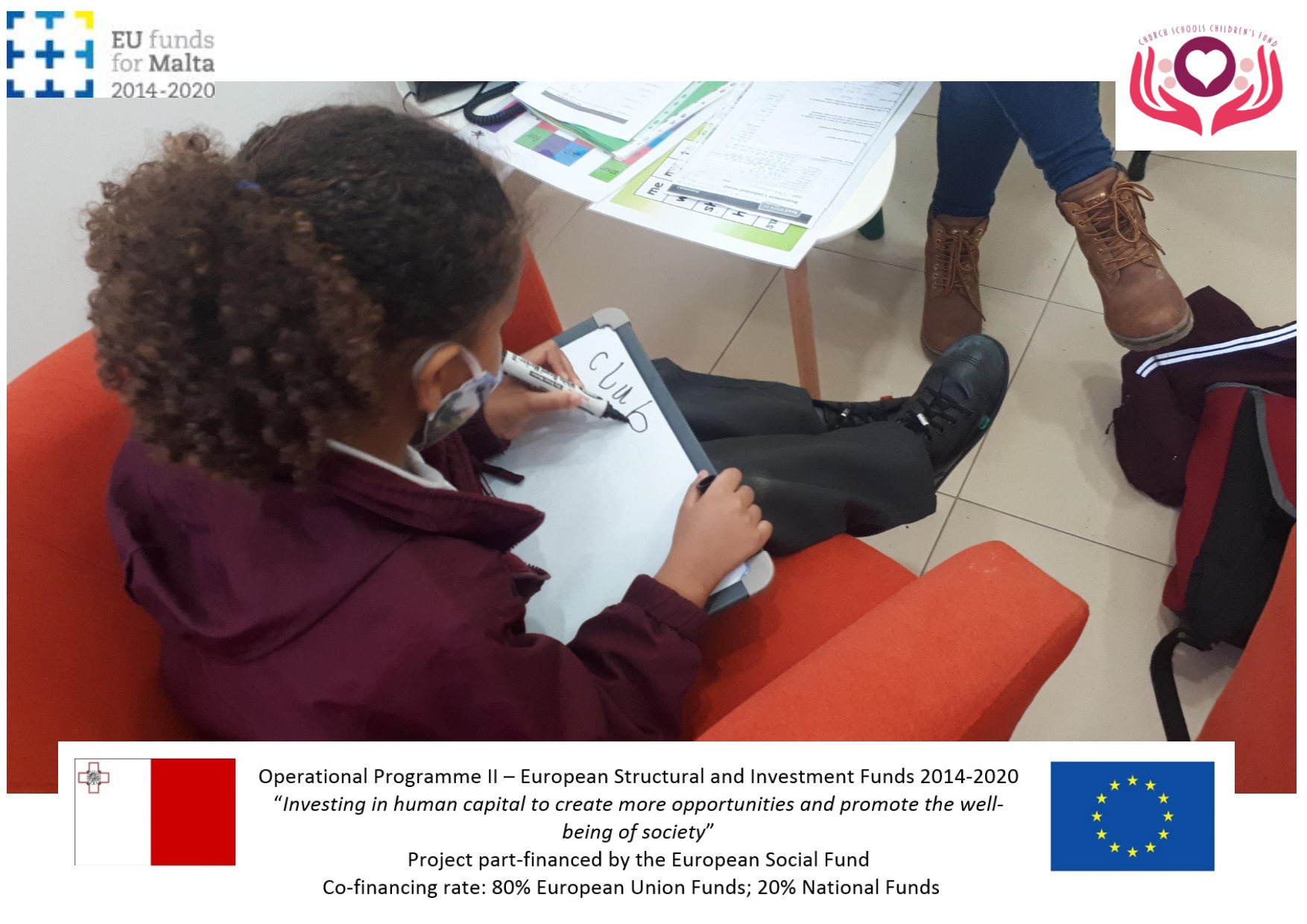


After-school literacy Sessions
Sixty students from our Church Schools were catered for during these after-school literacy sessions. Each student was provided to a pack of 20 one-hour sessions, free of charge, intervention. Also, a number of videos were developed to support parents in teaching their children literacy skills. In this way there will be a continuation from school to home.
After-School numeracy Sessions
After-school numeracy intervention was given to 60 students from our Malta and Gozo Primary schools. This intervention took place using Dynamo Maths software and these sessions, which were 20 in all, took place on school premises. Every student that participated were given a 1-year access to this online software. Also, any extra licences available were given to INCOS to make use of with eligible students who are following an alternative basic programme in Maths. All tutors were obliged to attend a webinar day training on how to use Dynamo Maths software Howerver this training was also open to all educators in Church Schools plus Inclusion professionals.


Occupational Therapy
The Matthews Project ESF 01.153 funded school-based speech therapy for the scholastic year 2021 – 2022. Following a call for quotes, the occupational therapist Ema Bartolo was recruited to give therapeutic sessions to students at school. The Head of Department in Inclusion referred identified students for the service.
In total Ms. Bartolo managed to provide service to 23 students, in eight different schools. All students reached the initial goals set for these sessions. Some of the students did not require further intervention whilst others required therapeutic work in different areas. Ms. Bartolo has sent the reports to their respective schools so that these will also be forwarded to their parents and ensure further implementation of the recommendations suggested by the OT at home. A meeting was also carried out between the OT employed by SFCE and Ema Bartolo, to discuss these students so that they will be then follow-up throughout the next scholastic year through the consultation services offered already at church schools.
The feedback from parents and educators was very positive. These are some of the additional multiple benefits of providing therapy on school grounds during school hours rather than therapy at CDAU during school hours or in private clinics after-school hours.
1. The therapy was offered at regular intervals same as in private clinics but free of charge.
2. The therapist could observe the children in a more natural environment that is in class and in the playground rather than in a clinic.
3. The OT provided functional recommendations which may be carried over at school by the help of the LSE and/or the teacher.
4. The OT recommended environmental changes which can help the teacher adopt a whole class approach and apply universal design learning
5. In some instances, children were joined by another peer. The therapist would be involving other peers to encourage the children to work on specific skills to be more motivated.
6. The fact that therapy was offered during school hours had a positive impact on the well-being of the whole family. Parents spent less time traveling to clinics, tagging along the other siblings. The children had time to participate in extracurricular activities and /or to play at home with their siblings.
Speech Therapy
The Matthews Project ESF 01.153 funded school-based speech therapy for the scholastic year 2021 – 2022. Following a call for quotes, the speech therapist Loredana Galea was recruited to give sessions to students at school. The Head of Department in Inclusion referred identified students for the service.
Goals were set for each student and shared with the student’s respective educators and parents. In cases were the children had LSE support or there is a class LSE, the LSE was invited to join for the session. The speech therapist guided the LSE on exercises to work on in between sessions. The LSEs kept the teachers and parents updated. In specific instances, the speech therapist attended the Individual Educational Programme (IEP) meeting to discuss the goals with the parents.
By the end of the scholastic year, this service was provided to 43 students in nine Church Schools: St Albert (Kindergarten + Primary), St Joan Antide, St Joseph Sliema, St Augustine Primary, The Archbishop’s Seminary Primary, St Dorothy Zebbug, St Paul’s Missionary College, St Monica Mosta, and Immaculate Conception. The ages of students ranged from 3 years to 14 years. Thankfully, in September 2022, the Speech and Language Department within the Ministry of Health, introduced the school-based service as a pilot in our schools. Such service will be extended gradually to all schools.



Fine Motor Skills Project
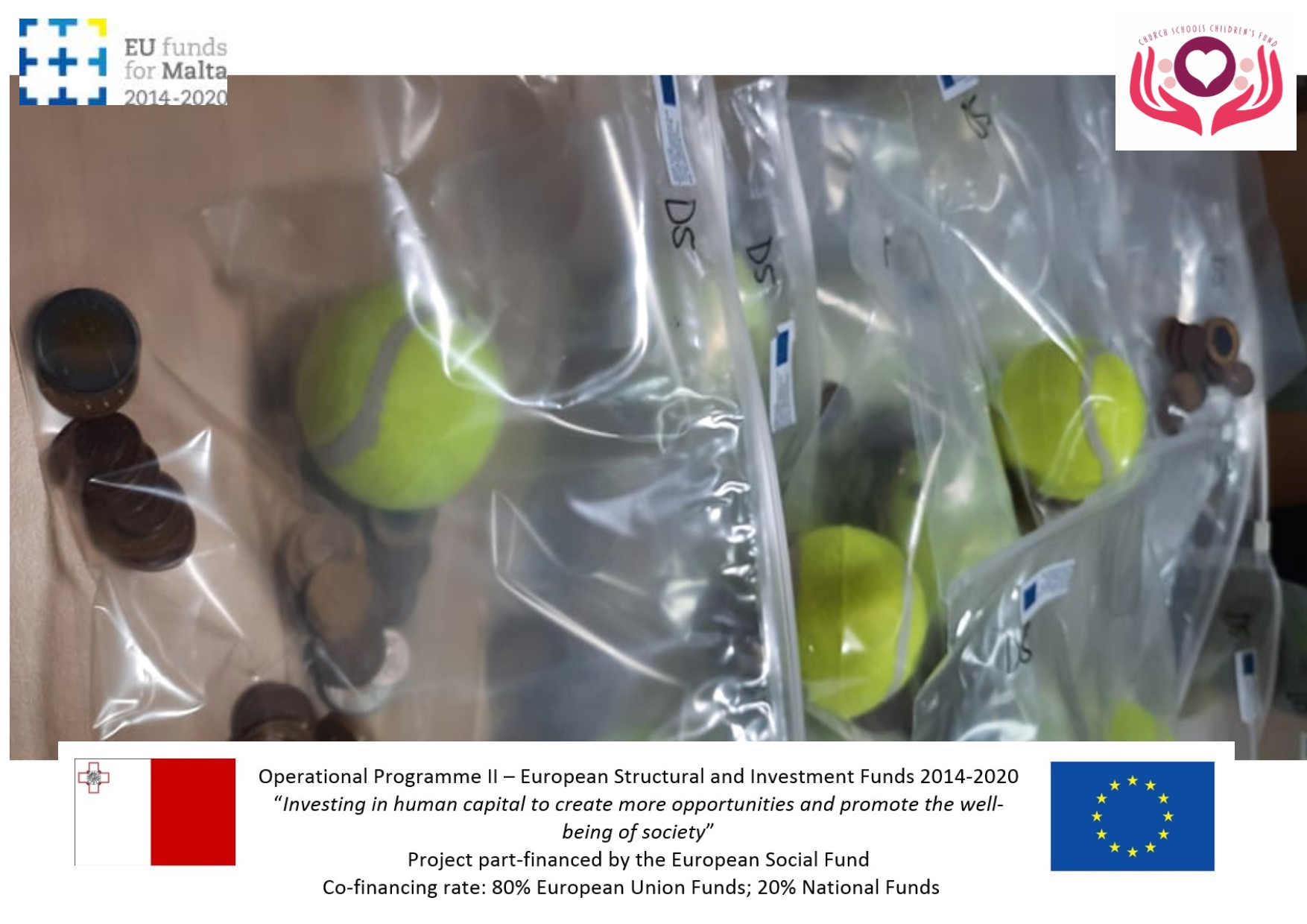
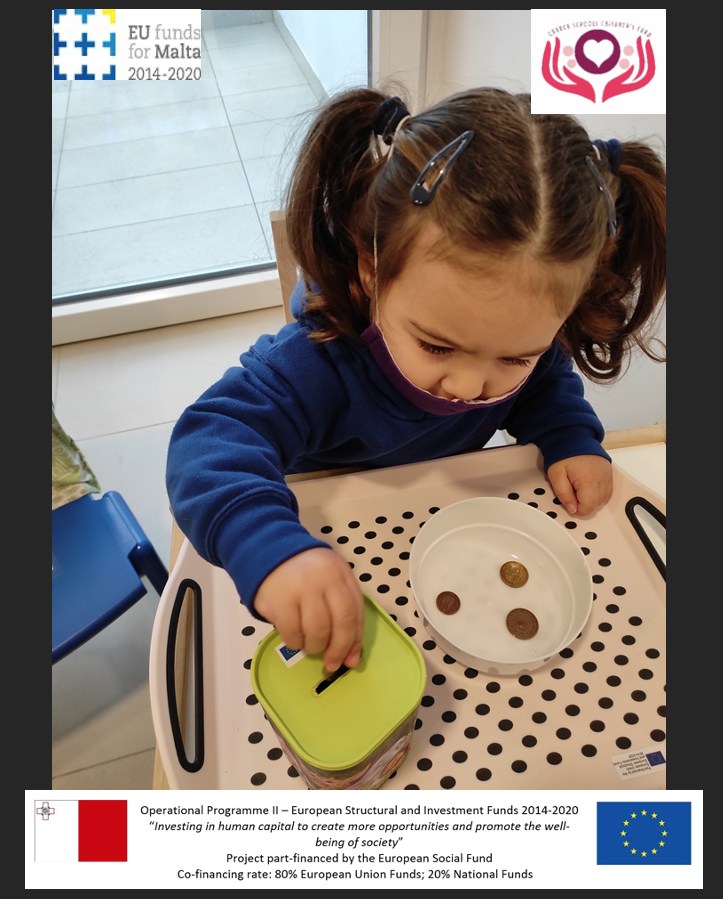
Another programme within this project is the Fine Motor Skills Programme. This programme is a set of activities specifically designed for kindergarten students to develop their hand skills and promote writing readiness. The programme contains 25 activities split into 5 sets to be carried out over a period of one scholastic year. 2 schools will be chosen for this pilot project. A workshop and necessary training was provided to the KGEs of the chosen schools and besides that a workshop and necessary training for the parents of the students attending those schools was also given by the Occupational Therapist so that there will be a continuation of development at home as well. The SfCE OT, Literacy Team and HoD Curriculum Primary collaboratively monitored and supported the educators throughout the project.